3 Common Landing Page Mistakes That Hurt Ad Performance
You feel like your ads are killing it. Audience targeting is spot on, compelling offers, and a high link CTR, but when people get to the site, they don’t convert.
That’s where many great campaigns fall short. The landing page, the destination page that ad clickers are sent to, is often the most overlooked part of the funnel. It’s the bridge between interest and action, where visitors decide if they trust your brand enough to click “Buy Now”, “Book Consultation”, or “Get a Quote”.
The problem? That bridge often cracks under pressure. According to Unbounce, the average landing page conversion rate across industries is just 4.2%. In other words, almost 96% of the visitors you’re paying to reach never take the next step.
So, what’s going wrong? Let’s break down the 3 most common landing page mistakes that quietly sabotage ad performance, and how to fix them.
1. Your Landing Page Loads Too Slowly
When it comes to digital ads, speed is everything. You’re paying for every single click, so when visitors leave before the page even loads, it’s like burning money.
If your users click on your ad with hopes of arriving on a landing page, but it loads too slowly, there’s a chance they decide against it and move on to something else.
A slow-loading landing page also hurts your Google Ads campaigns behind the scenes. Google’s Quality Score algorithm considers the landing page experience. If your page speed is poor, your CPC will rise, meaning you pay more for each visitor.
So, How Do I Fix It?
- Reduce Image Size. Most SEO experts suggest that the size of any web image should be less than 70 KB. If your site includes high-resolution images, it can significantly impact your page loading speed and negatively affect performance.
- Enable browser caching and loading. This lets pages load faster by prioritizing visible content first.
- Host your website on a fast, secure server. Many brands see a dramatic lift in speed after upgrading hosting.
Speed is one of those “invisible” optimizations that delivers visible results, which improves user experience and ad efficiency.
2. The Page Isn’t Built For Conversions
It’s important to remember: a landing page is not a home page, and your home page shouldn’t be your landing page (most of the time). It’s not there to tell your brand story or showcase everything you do. It is made specifically for your ad to correspond with, and exists for one purpose: to convert visitors into leads or customers.
However, many landing pages unintentionally distract users with clutter, inconsistent messaging, or multiple calls-to-action. This confuses your audience and weakens your ad’s impact.
For example, if your ad says “Book a Free Consultation Today”, but your landing page headline reads “About Us” with 5 other CTAs on the page, your visitor experiences a disconnect. Users don’t want to spend time trying to find where your offer is; they either see it right away or they move on to something else.
How To Fix It
- Match your ad copy and a page headline. The user should feel like they landed in the exact place the ad promised.
- Use a single, clear CTA. Don’t ask visitors to “Sign Up”, “Learn More,” and “Contact Us” all at once. Choose one goal per page.
- Use conversion-driven design. Think bold CTAs, contrasting colors, and layouts that naturally guide users to take action. We broke down even more ways to improve results in our blog post on landing page conversions.
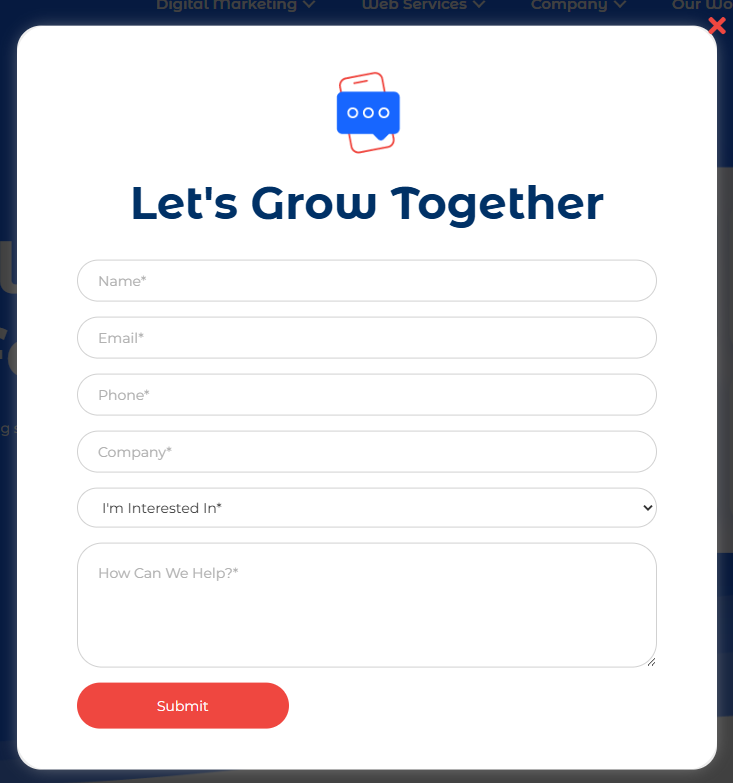
- Simplify your form: Every extra field you add (like phone number, company name, or ZIP code) increases drop-off. Ask only what’s necessary to qualify the lead.
- Leverage social proof strategically. Add reviews, testimonials, or case study snippets near the CTA to boost credibility at the exact decision point.
A good rule of thumb: If an element doesn’t help a visitor say “yes”, then it probably doesn’t belong on the page.
3. It’s Not Optimized for Mobile
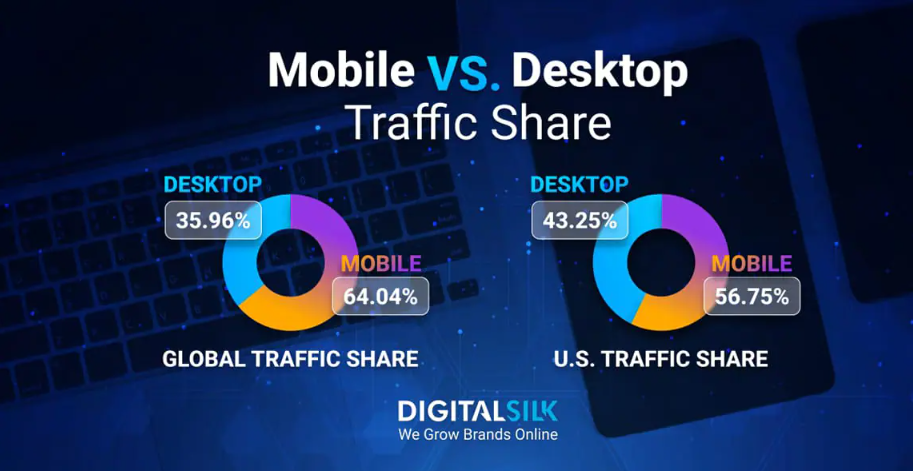
According to Digitalsilk, 35.96% of users use desktops, while 64.04% globally use mobiles. Yet too many landing pages are still designed primarily for desktop users. This mismatch is one of the most common and costly mistakes.
A poorly optimized mobile page doesn’t just frustrate users; it actively drives them away. Tiny text, slow loading, or buttons that require pinch-zooming make it nearly impossible to take action.
Even if your ad campaign is mobile-friendly, a clunky landing page sends users the message that your brand isn’t paying attention to their experience.
How to Fix It:
- Make sure whoever designs your website designs it for mobile AND desktop.
- Use large, thumb-friendly buttons with clear spacing between interactive elements.
- Simplify forms. Autofill dropdowns and toggles reduce typing time.
- Avoid long paragraphs. Break content into short, digestible sections for scrolling.
The smoother your mobile experience, the more conversions you’ll earn, and the better performance your ads will deliver.
Bonus Tip: Test & Iterate
The truth is, no landing page is perfect the first time, and sometimes, little tweaks can make a big difference when it comes to ad and conversion performance.
Here are a few different ideas you can test out on your landing page:
- Test different headlines and CTAs. Small language tweaks like “Get Started” vs. “Book Your Free Demo” can have huge impacts.
- Try different hero images or videos. Visual context matters. Does your imagery feel aspirational, product-focused, or personal?
- Experiment with layout and copy length. Some audiences prefer concise pages, others need more context. Let the data decide.
Consistent optimization is what separates average landing page performance from high-performing ones.
The Takeaway
Your ads can only work as hard as the landing page behind them. When you fix page speed, simplify your conversion path, and create a great mobile and desktop experience, you’re not just improving performance; you’re improving the entire user journey.
Better landing pages mean better Quality Scores, lower CPCs, and higher conversion rates. That’s the trifecta every business (and advertiser) wants.
Need Help Optimizing Your Landing Pages?
Our team creates fast, mobile-friendly landing pages and websites that actually convert and make your ad spend work harder. Whether you’re running Google, Meta, or display ads, we’ll make sure your visitors land somewhere that drives results.
Curious about how much better your ads could perform? Learn more about our website services or reach out for a free customized proposal.